
Ancient symbols, vibrant colors, and centuries-old traditions are coming to life as children across Europe discover the art of Bulgarian embroidery. Through a creative educational initiative led by the Folklore Ensemble “Lev” and the Bulgarian School “Asbuki” in Rome, young participants explore Bulgaria’s rich cultural heritage while creating their own embroidery-inspired artworks.
The project introduces children to the traditional costumes of Bulgaria’s seven folklore regions and the symbolic language woven into every embroidery pattern. Each motif tells a story: the cross represents protection, family, and harmony; the Tree of Life symbolizes strength, continuity, and the connection between generations; sun motifs express hope and vitality; geometric patterns signify fertility and protection; while floral ornaments celebrate nature and renewal. The traditional color palette—red for life and love, dark brown and black for the earth and stability, green for hope, white for purity, and gold for light—adds another layer of meaning to every design.
Using cardboard, colored rice, cotton bags, and textile markers, children from Italy, Belgium, and other European countries transform these ancient symbols into contemporary works of art. Alongside practical activities, they share their personal reflections on Bulgarian folklore, explaining how its music, dances, costumes, and embroidery strengthen their connection to Bulgarian culture and identity.
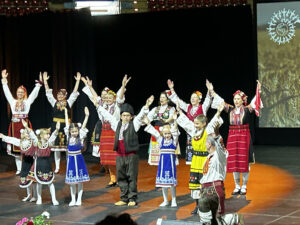
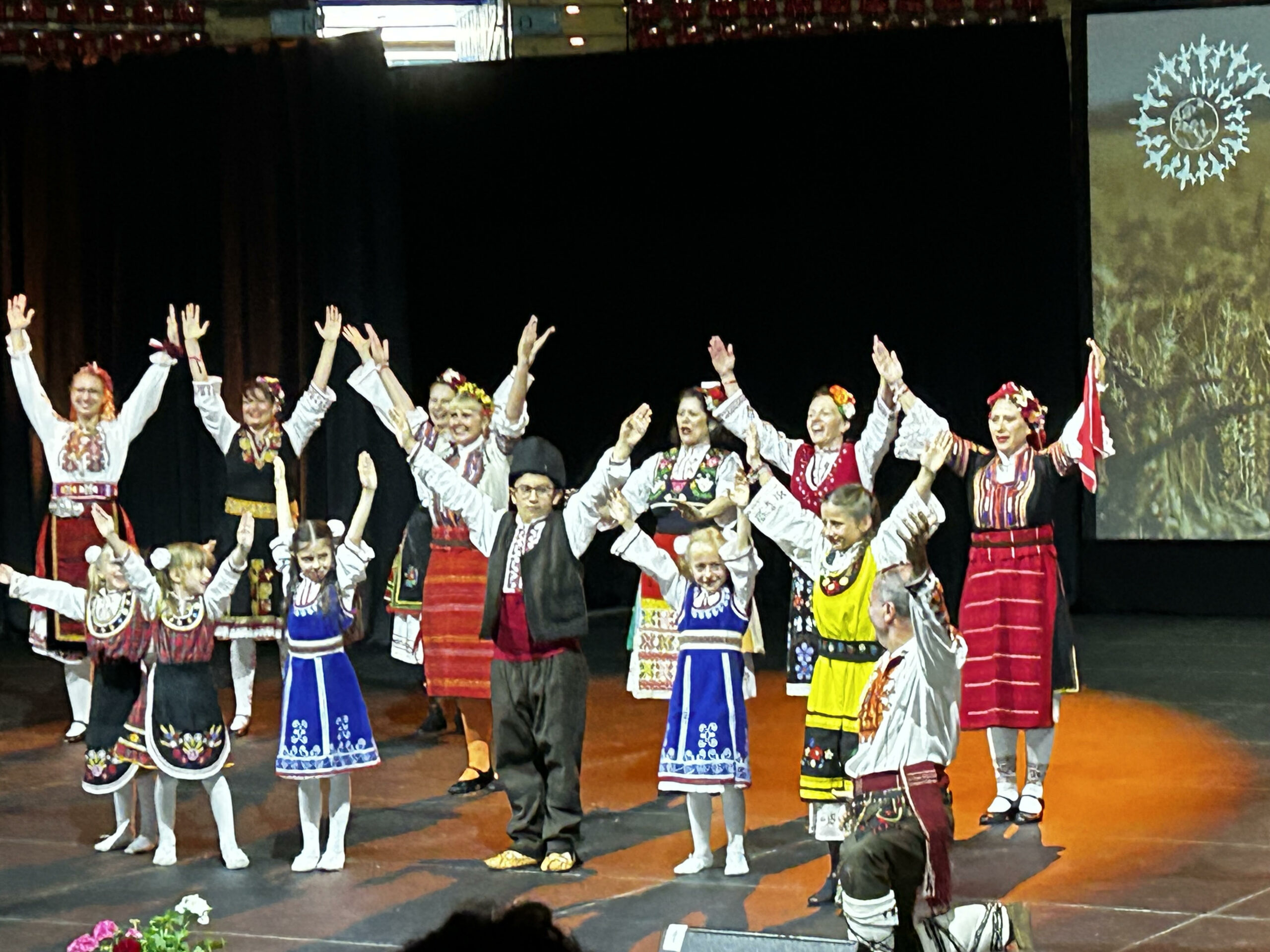
Beyond embroidery, the initiative brings to life the legends behind Bulgarian folklore. Among them is the story of Daycho, who, according to legend, broke free from his chains through the power of dance, making Daychovo Horo a lasting symbol of courage, resilience, and freedom.
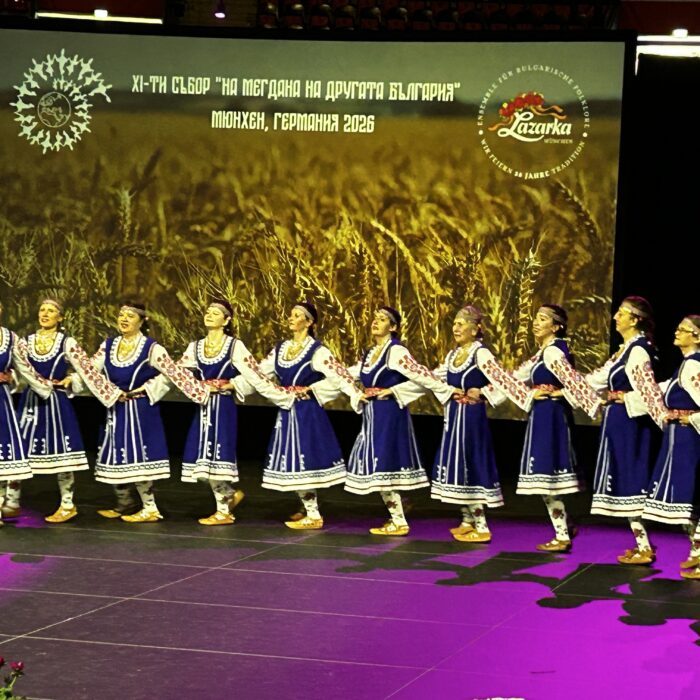
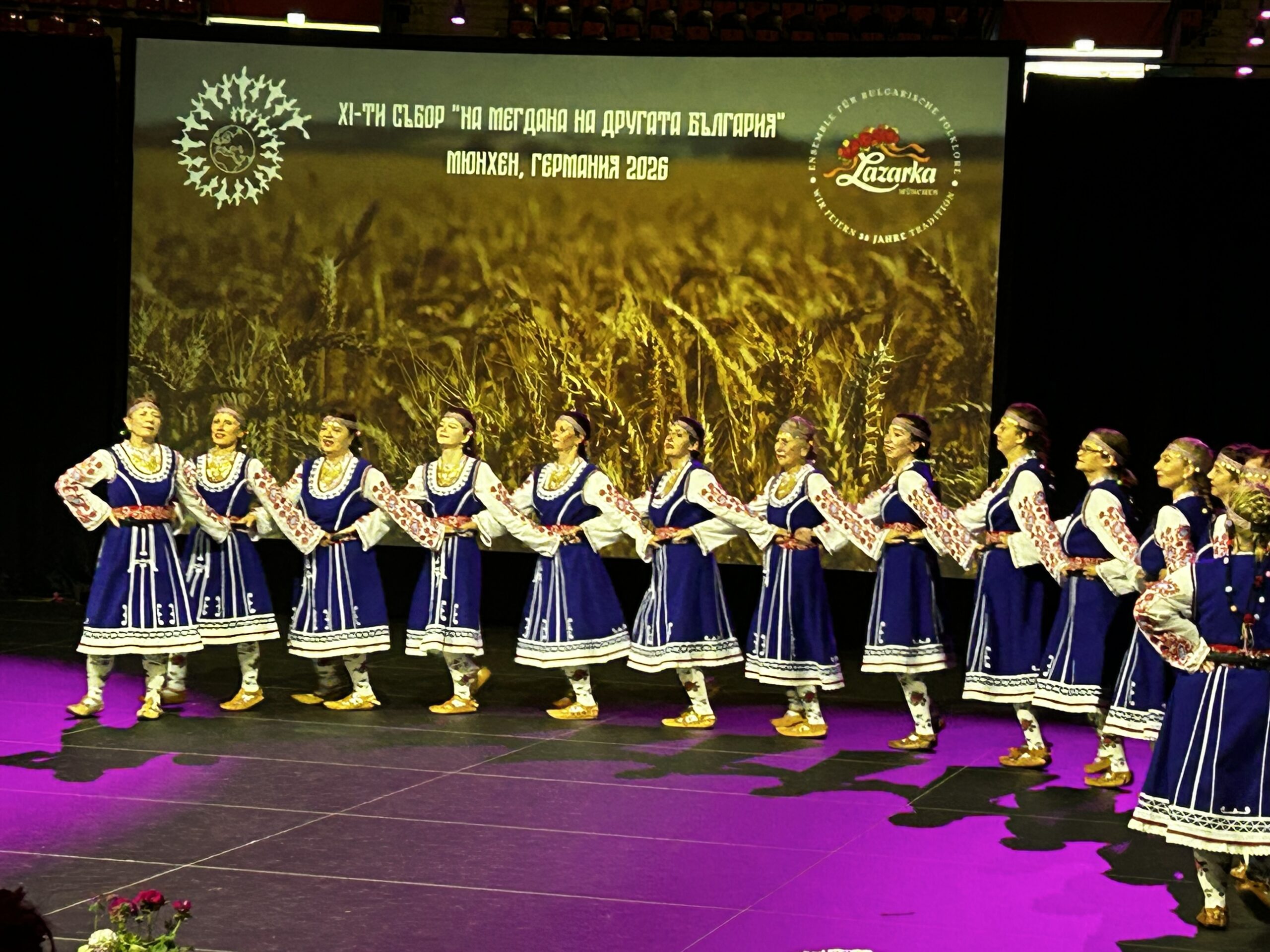
Although “Lev” and “Asbuki” were unable to participate in this year’s international festival The Village Square of the Other Bulgaria in Munich, they remain part of a vibrant worldwide Bulgarian cultural network dedicated to preserving traditions and passing them on to future generations. Through creativity, education, and shared heritage, the project demonstrates that Bulgarian embroidery is not only a treasured tradition but also a living cultural language that continues to inspire young people across Europe.